

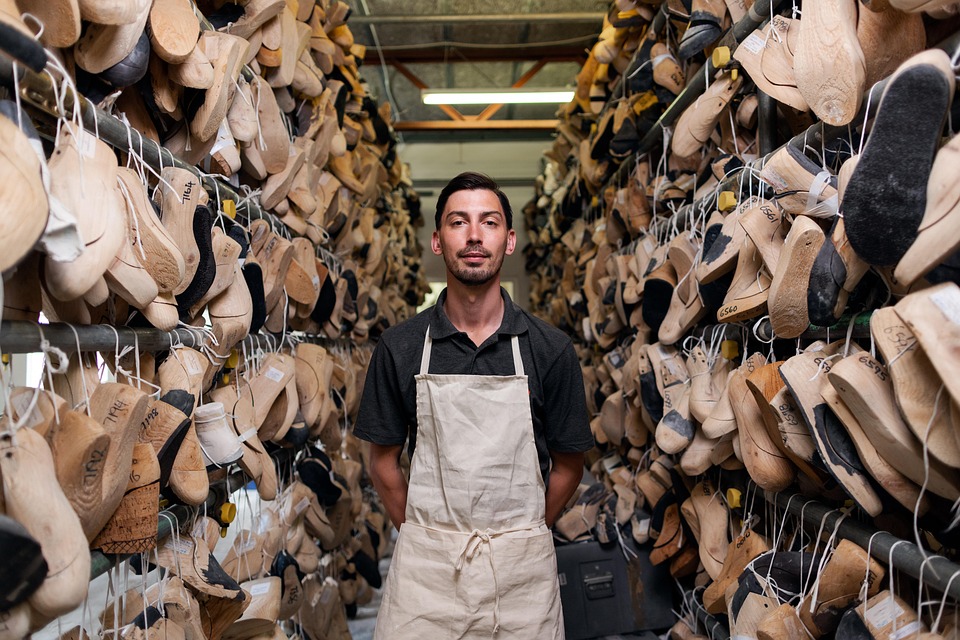
Essential Career Roadmaps for Factory Workers: Navigating Your Path to Success
In the intricate world of manufacturing, where machinery hums and the rhythm of production sets the beat of industry, the journey of a factory worker is anything but straightforward. It’s a landscape rich with opportunities, yet fraught with challenges that demand not just skill but a savvy approach to career progression. Understanding how to navigate this environment can mean the difference between stagnation and advancement.
1. Embrace Continuous Learning
In an era where technology evolves at breakneck speed, the importance of continuous learning cannot be overstated. Factory workers must remain adaptable, acquiring new skills that align with technological advancements. Consider enrolling in courses that focus on emerging technologies—think robotics, automation systems, or even data analysis. A commitment to lifelong learning not only enhances your employability but also positions you as a valuable asset to your employer.
2. Specialise or Diversify
The age-old dilemma of whether to specialise or diversify applies to factory workers as well.
-
Specialisation: Focusing your career on a specific area can make you an expert, highly sought after in your niche. This could be mastering a particular machine or gaining in-depth knowledge about a specific production process.
-
Diversification: On the other hand, being a jack-of-all-trades might open various doors. Familiarising yourself with multiple roles within the factory can lead to unexpected opportunities and a broader understanding of the production process.
Striking the right balance between these two paths is vital for sustained growth.
3. Networking and Mentorship
Often overlooked, the power of networking in a factory setting can be transformative. Building relationships with colleagues and supervisors can lead to mentorship opportunities, invaluable insights, and even recommendations for promotions or new roles. Attend workshops, engage in team-building activities, and don’t shy away from seeking advice from those who have trodden the path before you. A mentor can provide guidance, share experiences, and help you navigate the complexities of your career.
4. Setting Career Goals
Without clear goals, it’s easy to drift through the daily grind, becoming complacent. Take time to outline your short- and long-term objectives.
-
Short-term goals might include mastering a new skill or achieving a particular performance metric.
-
Long-term goals could involve aspirations to move into supervisory roles or shift towards management.
Regularly revisit and adjust these goals as necessary, ensuring they align with your evolving interests and the demands of the industry.
5. Understanding Industry Trends
A keen awareness of industry trends can provide a significant edge. Being informed about what’s happening in the manufacturing sector—such as sustainability initiatives, shifts in consumer demand, or advancements in manufacturing technology—allows you to anticipate changes and align your skills accordingly. Subscribe to industry publications, join relevant forums, or engage with professional associations. Knowledge is power, and in the fast-paced world of manufacturing, it can be your ticket to advancement.
As you navigate the complexities of a career in a factory setting, remember that success is rarely a straight line. It involves curves, detours, and occasionally, a complete change of direction. Embrace these challenges as part of your journey, and let them shape you into a more resilient and skilled worker.
For those ready to take the next step, remember that CVPortal continues to provide a wealth of high-quality CV references to guide you on your path to success. Your future awaits, and with the right tools and mindset, you can forge ahead with confidence.