

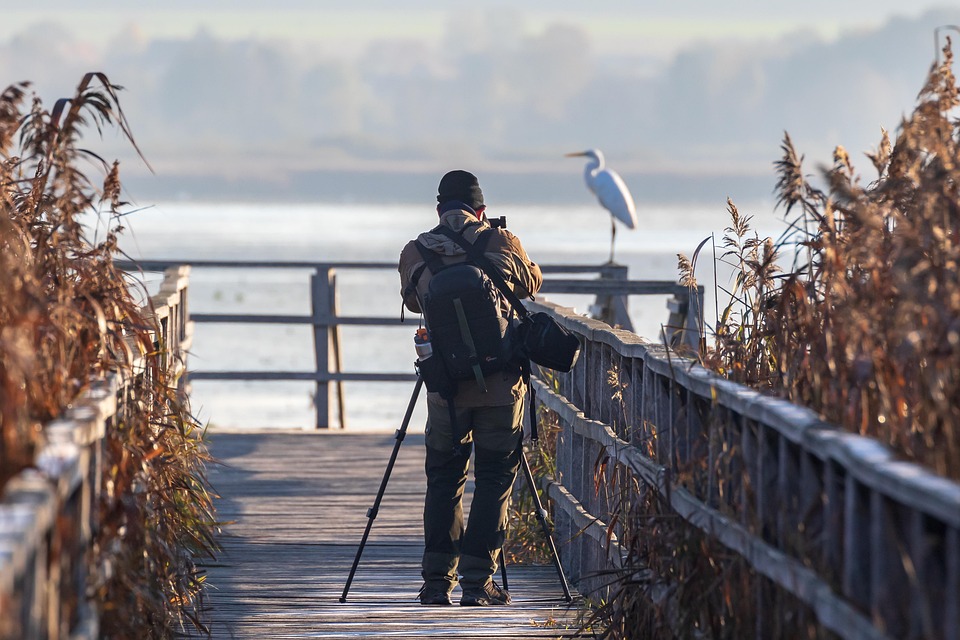
When it comes to the world of photography, your resume is not just a list of jobs; it’s a canvas showcasing your artistic journey. In the UK, where the photography scene is as vibrant as it is competitive, having a well-crafted resume can make all the difference. Let’s delve into the essential elements that will elevate your portfolio and help you stand out.
1. The Art of Presentation
Your resume should reflect your style as a photographer. Consider these aspects:
- Layout: A clean, structured layout allows your work to shine. Use ample white space, making sure your images are the focal point.
- Typography: Choose fonts that align with your aesthetic—something elegant yet readable. Avoid overly decorative fonts that could distract from your work.
2. Showcase Your Best Work
Quality trumps quantity. Rather than flooding your portfolio with every shot you’ve ever taken, curate a selection that highlights your strengths. Here’s how to go about it:
- Diversity: Include various styles, from portraiture to landscape, showcasing your versatility.
- Themes: Consider grouping images by theme or project to give potential clients a sense of your creative narrative.
3. Crafting an Engaging Bio
Your biography should go beyond the basics. It’s your chance to connect on a personal level:
- Storytelling: Share your journey into photography. What inspired you? What drives your passion?
- Credentials: Mention any relevant qualifications, workshops, or exhibitions that add credibility to your narrative.
4. Professional Experience and Skills
While your portfolio is vital, the experience section should not be overlooked. Highlight your professional journey succinctly:
- Job Titles and Responsibilities: Clearly list your previous roles, focusing on your contributions and achievements.
- Skills: Include both technical skills (like equipment proficiency) and soft skills (such as communication and creativity).
5. Contact Information and Online Presence
Ensure that potential clients can reach you easily. Include:
- Contact Details: A professional email address and phone number.
- Social Media Links: Direct links to your Instagram or photography website can provide immediate access to your work.
6. Testimonials and Recommendations
A few well-placed testimonials can add significant weight to your resume. Consider:
- Client Feedback: Share quotes from satisfied clients that speak to your professionalism and the quality of your work.
- Peer Endorsements: Recommendations from fellow photographers or industry professionals can also bolster your credibility.
Crafting an impressive photographer’s resume is an art in itself. By focusing on these essential elements, you can create a compelling portfolio that resonates with clients and showcases your unique style. Remember, your resume is not just a document; it’s a reflection of your artistic identity and professional journey.
For continuous inspiration and high-quality resume references, CVPortal remains your go-to resource, helping you navigate the ever-evolving landscape of job applications.