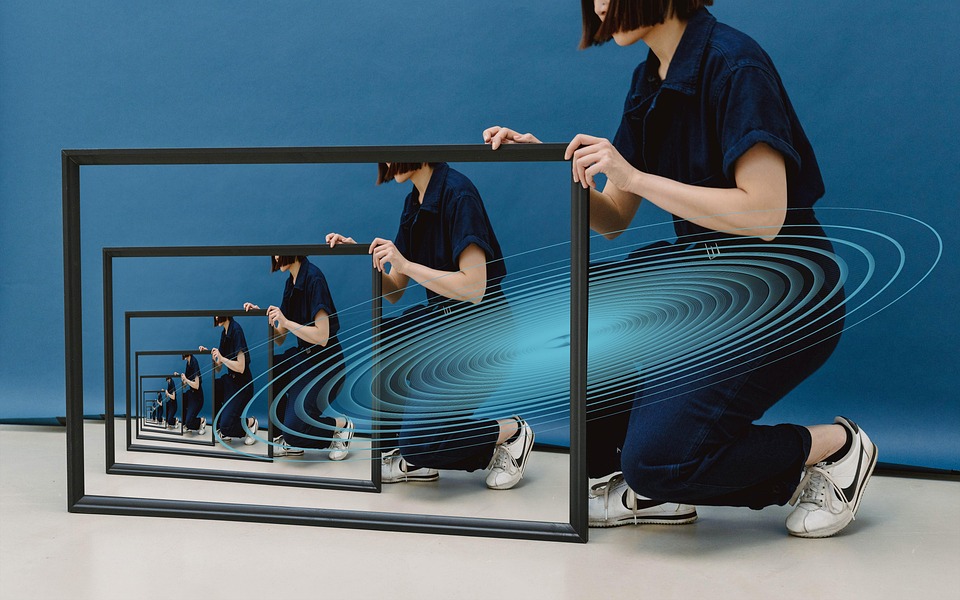
Embarking on a journey as a visual effects (VFX) artist is akin to stepping into a world where creativity meets technology. The landscape is ever-evolving, demanding not only technical prowess but also an artistic flair that can breathe life into the most fantastical visions. Here’s how to navigate this intricate pathway with confidence and finesse.
1. Cultivating Core Skills
At the heart of your VFX career lies a robust set of skills. Mastery over industry-standard software such as Autodesk Maya, Nuke, and Adobe After Effects is non-negotiable. Yet, while technical skills are vital, don’t underestimate the power of storytelling. Understanding the narrative context within which your effects operate can elevate your work from mere visuals to compelling artistry.
1.1 Animation Fundamentals
Delve into the principles of animation; the bounce of a character, the flow of water—these are all governed by underlying rules. Grasping these principles will set your work apart, allowing for a seamless integration into the narrative.
1.2 3D Modelling and Texturing
A solid foundation in 3D modelling, coupled with an eye for textures and materials, will enable you to create visually stunning environments and characters. Experimenting with various styles can also expand your versatility.
2. Building a Portfolio that Shines
Your portfolio is your calling card, a visual testament to your skills and creativity. It should not only showcase your best work but also reflect your personal brand.
2.1 Quality Over Quantity
Select a handful of pieces that highlight your strongest capabilities rather than overwhelming potential employers with a vast array of mediocre works. Each piece should tell a story of its own.
2.2 Diverse Projects
Include a variety of projects, from character animations to environmental effects. This diversity not only showcases your range but also signals your adaptability in a fast-paced industry.
3. Networking and Industry Engagement
In the VFX world, who you know can be just as crucial as what you know. Building relationships within the industry can open doors to opportunities that may not be advertised.
3.1 Attend Events and Festivals
Participate in industry events, conferences, and film festivals. Engaging with fellow artists and industry professionals can foster connections and provide insights into emerging trends and technologies.
3.2 Online Communities
Join forums and social media groups dedicated to VFX. Platforms like ArtStation and LinkedIn can be invaluable for showcasing your work and interacting with potential collaborators or employers.
4. Continuous Learning
The VFX industry is not static; new tools and techniques emerge regularly. Committing to continuous learning is essential to stay relevant.
4.1 Online Courses and Workshops
Consider enrolling in online courses that can sharpen your skills or introduce you to new software. Platforms like Coursera and Udemy often feature courses tailored to VFX artists.
4.2 Feedback and Critique
Seek constructive criticism from peers or mentors. Embracing feedback can significantly enhance your work, guiding you toward areas of improvement you may not have noticed.
Finding Your Unique Voice
As you navigate the winding roads of your VFX career, remember that your unique perspective is your greatest asset. Embrace your individuality, and let it shine through in your projects. The fusion of technical skill and personal expression will set you apart in a crowded field.
In essence, the journey of a visual effects artist is one of constant evolution, marked by creativity, resilience, and a willingness to learn. As you carve out your path, remember that CVPortal is here to continually provide you with high-quality CV templates and resources, helping you to present your artistic journey in the most compelling way possible.