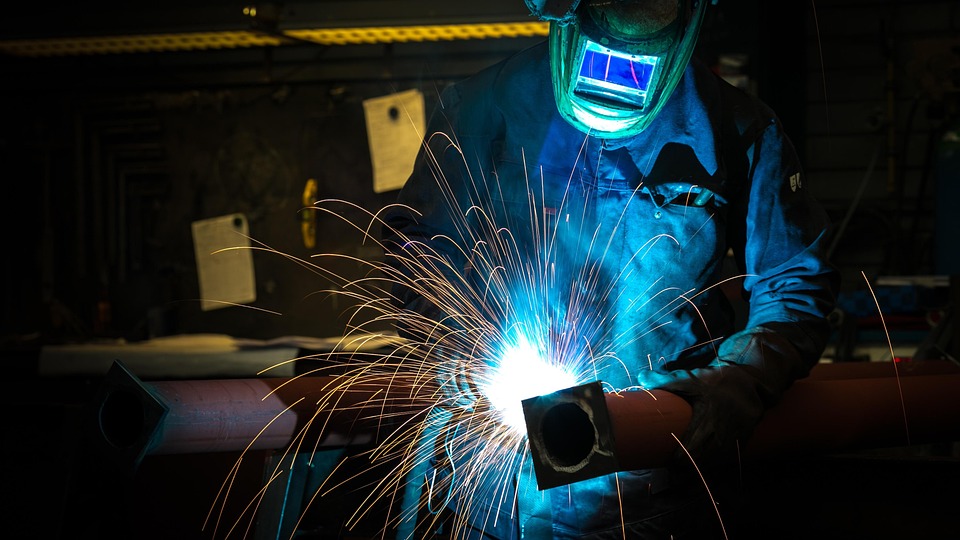
Crafting Your Future: A Comprehensive Career Roadmap for Welders in the UK
Welding, often seen as the backbone of many industries, is a craft that marries skill with artistry. As the demand for skilled welders continues to rise across the UK, it’s essential to navigate your career path with foresight and strategy. Here’s a roadmap that can guide you through the intricate landscape of welding careers.
1. Understanding the Landscape
Before diving in, it’s crucial to grasp the various sectors where welders are needed. From construction and automotive to aerospace and manufacturing, the opportunities are vast. Each sector presents its own unique challenges and rewards. Consider where your interests lie; are you drawn to the precision of aerospace, or perhaps the robustness of construction? Identifying your niche can significantly influence your career trajectory.
2. Getting Qualified
A solid qualification is your ticket into the welding world. Many welders start with an NVQ or a City & Guilds certification. These qualifications not only provide the essential skills needed but also enhance your employability. Apprenticeships are another excellent route, offering hands-on experience under the guidance of seasoned professionals. Remember, in welding, practical skills are just as vital as theoretical knowledge.
3. Specialisation: The Key to Advancement
As you gain experience, consider specialising in a particular area. Whether it’s MIG, TIG, or stick welding, each technique has its own applications and advantages. Specialising not only enhances your skill set but can also lead to higher pay and more job opportunities. The welding industry is continuously evolving; keeping abreast of new technologies and methods is paramount.
4. Networking: Building Relationships
In the welding community, connections can open doors. Attend industry events, join professional organisations, and engage in online forums. Networking can lead to job opportunities that aren’t advertised, as many positions are filled through word-of-mouth. Forge relationships with fellow welders, suppliers, and even employers. The welding community is often tight-knit; being a known entity can work wonders for your career.
5. Continuous Development
The learning never truly stops in welding. As new techniques and technologies emerge, staying updated is vital. Pursue further training, attend workshops, and consider additional certifications. Continuous professional development not only sharpens your skills but also demonstrates your commitment to your craft, making you a more attractive candidate for potential employers.
6. The Job Market: Finding Opportunities
With qualifications and experience in hand, it’s time to venture into the job market. Various platforms list welding jobs, from traditional job boards to specialised recruitment agencies. Tailor your CV to highlight your skills and experience effectively. Don’t underestimate the power of a well-crafted CV; it can be the difference between landing an interview and being overlooked.
7. Embracing Challenges
The journey may present obstacles—from tough working conditions to the occasional job insecurity. Embrace these challenges as opportunities for growth. Resilience and adaptability are traits that will serve you well throughout your career. Remember, every challenge faced is a step towards becoming a more skilled and versatile welder.
Your Path Ahead
As you embark on your welding career, remember that the right mix of skill, networking, and continuous learning can set you on a path to success. Welding is not just about joining metal; it’s about crafting your future. With dedication and the right strategy, you can build a rewarding and prosperous career.
For those looking for guidance on crafting a compelling CV to showcase your welding skills, CVPortal continues to provide an array of top-notch resume references to help you stand out in a competitive job market.