

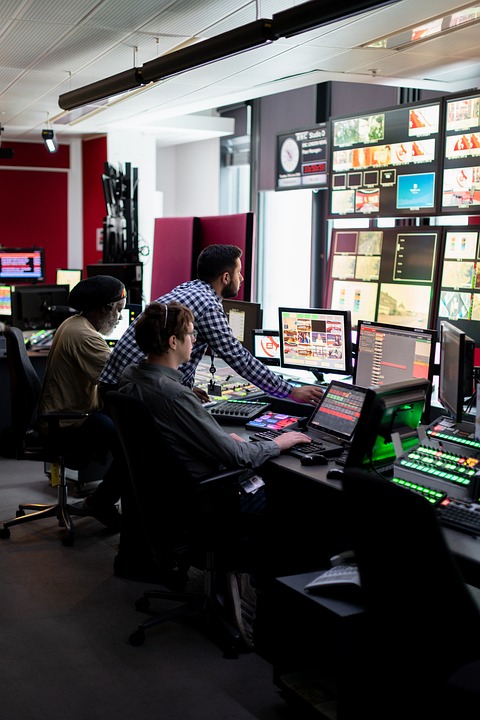
Essential Interview Guide for Broadcast Engineers: Tips and Insights to Land Your Dream Job
Navigating the world of broadcast engineering can be as intricate as the technology that underpins it. With a blend of creativity, technical prowess, and an understanding of the media landscape, this profession demands a unique set of skills. Whether you’re a fresh graduate or a seasoned professional, preparing for an interview in this field requires more than just a grasp of the technicalities. Here’s a guide to help you shine.
1. Know Your Craft Inside Out
Understanding the core principles of broadcast engineering is non-negotiable. Familiarise yourself with the latest technologies, from digital signal processing to broadcast transmission standards. Don’t just stop at the theory; practical experience is invaluable. Engaging with hands-on projects, internships, or even personal endeavours can set you apart.
- Key Technologies: Be prepared to discuss innovations like IP broadcasting, cloud-based production, and video compression techniques.
- Industry Standards: Knowledge of standards such as ATSC, DVB, and SMPTE can demonstrate your commitment to the field.
2. Showcase Your Problem-Solving Skills
In the fast-paced environment of broadcasting, issues arise unexpectedly. Employers will be keen to assess your ability to troubleshoot effectively.
- Real-Life Scenarios: Prepare to share specific examples where you successfully identified and resolved technical problems. Use the STAR method (Situation, Task, Action, Result) to structure your responses.
- Creative Solutions: Highlight any innovative solutions you’ve devised in previous roles or projects. This not only shows your aptitude but also your willingness to think outside the box.
3. Communication Is Key
Broadcast engineers often work in teams, liaising with producers, directors, and other technical staff. Your ability to communicate complex technical information in an accessible manner can be a decisive factor.
- Tailored Communication: Be prepared to adjust your language based on your audience—technical jargon for engineers, simpler terms for non-technical staff.
- Active Listening: Demonstrating that you can listen and respond to feedback is equally important. It shows that you are collaborative and open to ideas.
4. Stay Updated on Industry Trends
The broadcasting landscape is ever-evolving. Keeping abreast of the latest trends can give you a competitive edge.
- Current Events: Mention any recent developments like advancements in 5G broadcasting or shifts in content consumption patterns due to streaming services.
- Networking: Engage with industry professionals through LinkedIn or relevant forums. This not only keeps you informed but can also lead to potential job opportunities.
5. Prepare Thoughtful Questions
Interviews are a two-way street. Asking insightful questions can demonstrate your genuine interest in the role and the company.
- About the Company: Inquire about the company’s future projects or technology initiatives. This shows you are not just focused on the job but are invested in the company’s direction.
- Role Expectations: Clarify what success looks like in the position, and what challenges the team currently faces. This information can give you a clearer picture of what to expect.
Bringing It All Together
As you prepare for that all-important interview, remember that a combination of technical expertise, problem-solving ability, effective communication, and a keen awareness of industry trends will position you as a strong candidate. Your CV should reflect not just your skills but your passion for broadcast engineering.
For those seeking assistance, CVPortal continuously provides a wealth of premium CV references, ensuring you’re equipped to make a lasting impression in the competitive field of broadcast engineering.