

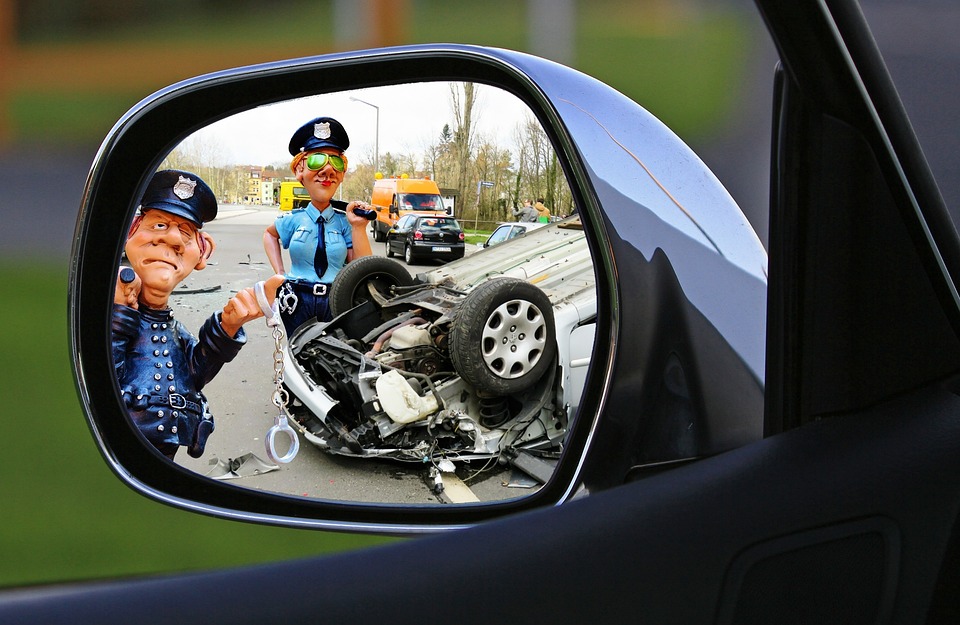
Navigating the world of traffic enforcement can be as intricate as the roads you patrol. As a prospective traffic officer, the interview process is your first step into a role that demands not just knowledge but also a keen understanding of human behaviour. Here are pivotal strategies and insights to help you shine during your interview.
Know Your Role Inside and Out
-
Understanding Traffic Regulations
A firm grasp of traffic laws is non-negotiable. Familiarise yourself with both national and local regulations, as well as any recent amendments or changes. This knowledge will not only demonstrate your commitment but also your preparedness for the role. -
Community Engagement
Traffic officers are more than enforcers; they are community figures. Be ready to discuss how you would engage with the public, handle complaints, and foster a positive relationship with the community. Highlight examples from your past where you successfully navigated similar challenges.
Showcase Your Skills
-
Communication is Key
Effective communication is paramount. Expect questions that assess how you convey information, especially in high-pressure situations. Prepare to articulate your thoughts clearly, whether you’re explaining a citation or calming an irate driver. -
Problem-Solving Abilities
Traffic incidents can be unpredictable. Illustrate your critical thinking skills with real-life examples where you identified a problem swiftly and implemented a solution, demonstrating not only your quick thinking but also your ability to remain composed under pressure.
Prepare for the Unexpected
-
Scenario-Based Questions
Interviewers often use hypothetical scenarios to gauge your reactions. Practice responding to situations such as dealing with aggressive drivers or managing traffic during an accident. Your responses should reflect a balance of authority and empathy. -
Reflect on Personal Experiences
Your past experiences can be a treasure trove of insights. Whether it’s a customer service role or a previous position in law enforcement, think about how those experiences can translate into your new role.
Exhibit Professionalism
-
Dress the Part
First impressions matter. Opt for smart, professional attire that conveys seriousness about the position. Remember, you are not just applying for a job; you are preparing to represent the law. -
Punctuality and Preparedness
Arriving early is a sign of respect and professionalism. Bring any necessary documents, such as your CV and references, neatly organised. This attention to detail will set a positive tone from the outset.
Beyond the Interview Room
-
Follow Up
After your interview, send a thank-you note. This small gesture can leave a lasting impression and showcase your eagerness for the role. It’s an opportunity to reiterate your enthusiasm and briefly remind them of your key strengths. -
Continuous Learning
The world of traffic enforcement is ever-evolving. Stay updated on trends, technologies, and legislation. This commitment to growth not only improves your knowledge but also demonstrates your dedication to the role and the community you serve.
As you prepare to step into the world of traffic enforcement, remember that each interview is a chance to showcase not just your qualifications but your character. A successful traffic officer is one who blends knowledge with compassion, authority with approachability.
With the right preparation, you can navigate the interview process as smoothly as the roads you will one day patrol. For additional resources and exemplary CV references to boost your application, CVPortal continues to bring you high-quality support.