

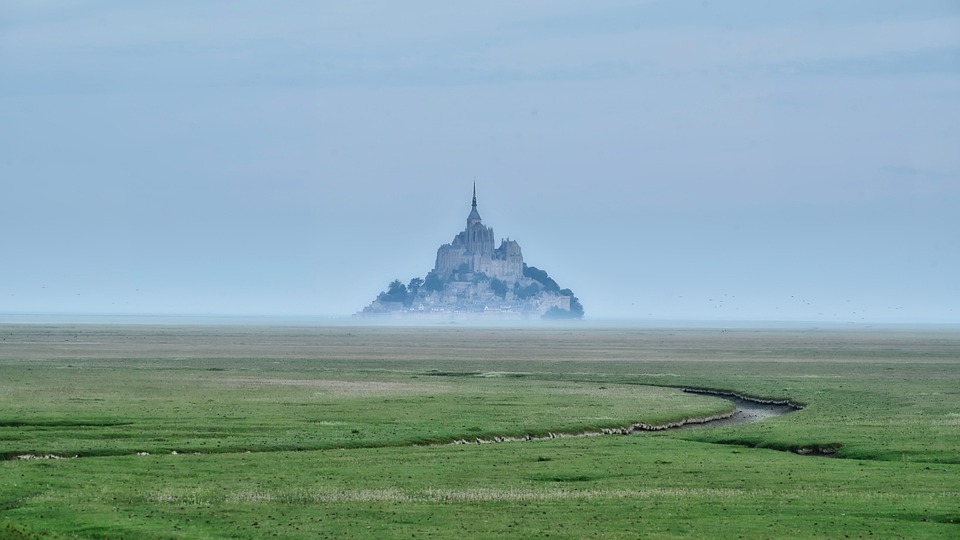
In an era where our cultural heritage faces unprecedented challenges, the role of heritage managers has never been more crucial. These custodians of history are tasked with preserving our past while simultaneously engaging with modern audiences. Navigating the intricate landscape of cultural conservation can be daunting, especially when it comes to securing that vital interview. Here’s a guide to help you shine in your quest for a position in this rewarding field.
Understanding the Role
-
Diverse Responsibilities: Heritage managers wear many hats. From overseeing restoration projects to engaging with the community, your responsibilities will be vast and varied. Familiarise yourself with the specific duties outlined in the job description. Whether it’s managing budgets or coordinating volunteers, understanding these nuances can set you apart.
-
Skillset Spectrum: Beyond technical know-how, the role calls for an array of soft skills. Communication, leadership, and problem-solving abilities are paramount. Reflect on your experiences that highlight these skills. Perhaps you’ve led a community project or successfully navigated a funding application; articulate these stories during your interview.
Research is Key
-
Know the Institution: Immerse yourself in the ethos and mission of the organisation you’re applying to. What are their current projects? What challenges do they face? Demonstrating knowledge of their work not only shows your enthusiasm but also your commitment to their cause.
-
Familiarise with Current Trends: Cultural conservation is ever-evolving. Stay updated on contemporary practices and innovations in the field. Whether it’s digital preservation techniques or sustainable practices, being informed will allow you to engage in meaningful discussions during the interview.
Anticipating Questions
-
Common Queries: Be prepared for questions that probe your understanding of heritage management. Expect to discuss your experience with conservation techniques, stakeholder engagement, and project management. Craft thoughtful responses that showcase your expertise and passion.
-
Behavioural Questions: These inquiries assess how you’ve handled specific situations in the past. Reflect on instances where you’ve faced challenges or made crucial decisions. The STAR method (Situation, Task, Action, Result) can be particularly useful in structuring your answers.
Presenting Yourself
-
Dress Appropriately: The first impression often sets the tone for the entire interview. Opt for professional attire that reflects your understanding of the sector. While heritage management can be quite formal, a touch of personal flair can showcase your creativity.
-
Body Language Matters: Engage with your interviewers through positive body language. Maintain eye contact, offer a firm handshake, and display enthusiasm. This non-verbal communication can significantly enhance your overall presence.
The Follow-Up
-
Express Gratitude: After the interview, send a thank-you note to your interviewers. A brief email expressing appreciation for the opportunity reinforces your interest and professionalism.
-
Reflect on the Experience: Regardless of the outcome, take time to evaluate your performance. What went well? What could you improve upon? This reflection is invaluable for future interviews.
In the realm of cultural conservation, securing a position as a heritage manager is just the beginning of a fulfilling journey. As you prepare for your interviews, remember that the combination of passion, knowledge, and personal experiences can create a compelling narrative that resonates with your potential employers.
CVPortal is committed to providing you with a wealth of resources and exemplary CV templates to ensure you present your best self in every application. Stay engaged and continue to enrich your understanding of this vital field.