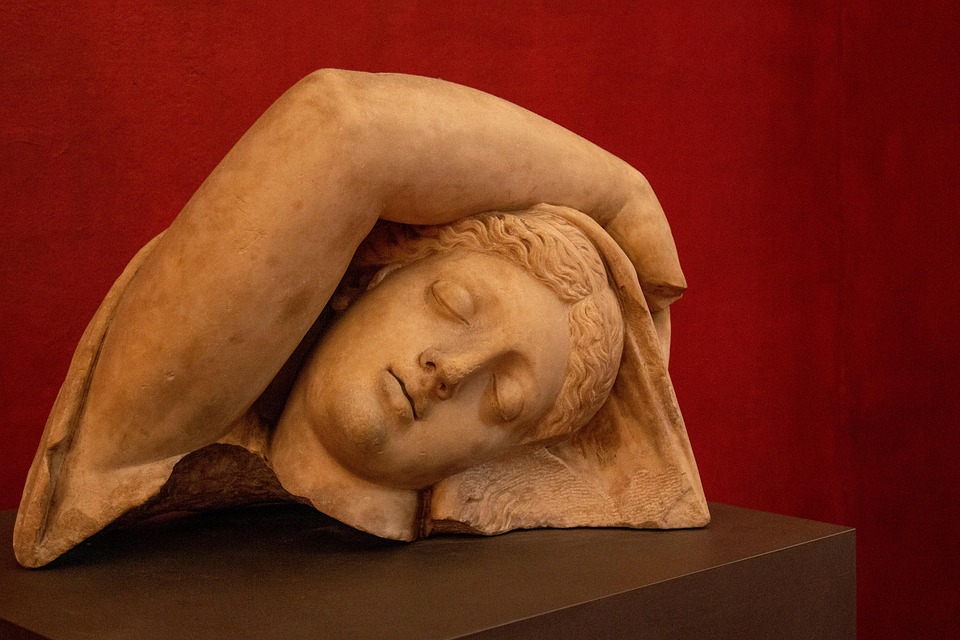
Crafting the Perfect Museum Assistant Resume: A Stylish Approach
In the competitive world of museum work, a well-crafted resume can be your ticket to standing out from the crowd. The role of a museum assistant demands not only a passion for history and culture but also a flair for showcasing your skills and experiences in a manner that captivates potential employers. Here’s how you can elevate your application with a touch of style and substance.
1. The Essential Components
A striking resume begins with the basics. Ensure that your contact information is clear and prominent—your name should be the star of the show, followed by a professional email and phone number. When it comes to layout, simplicity reigns supreme. A clean, organised format allows your accomplishments to shine without distraction.
Next, don’t skimp on the personal statement. This is your opportunity to convey your enthusiasm for the role and highlight what sets you apart. A well-crafted personal statement can make a lasting impression, so let your personality seep through while maintaining professionalism.
2. Highlighting Relevant Experience
When detailing your work history, focus on roles that resonate with the museum sector. Volunteering at local galleries, internships at cultural institutions, or even customer service positions that involved public interaction can all lend credence to your application. Use bullet points to outline your responsibilities and achievements, employing action verbs to bring your experiences to life.
For instance, instead of saying, "Assisted with exhibitions," you might say, "Collaborated with curators to facilitate engaging exhibitions that attracted over 500 visitors." This not only illustrates your involvement but also quantifies your impact.
3. Skills That Shine
In a museum setting, certain skills can set you apart. Proficiency in languages, knowledge of art history, or experience with collections management software can be crucial. Create a dedicated skills section where you can list these competencies succinctly. Tailoring this section to match the job description can demonstrate your fit for the role.
Consider also including soft skills—communication, teamwork, and problem-solving abilities—especially as these are invaluable in a museum environment where collaboration is key.
4. Education and Continuous Learning
Your educational background is fundamental, but it doesn’t have to be a dry list of qualifications. If you’ve pursued courses relevant to museum studies or even attended workshops on curatorial practices, showcase these. Additionally, highlighting any ongoing professional development conveys your commitment to the field and eagerness to learn.
5. Aesthetic Considerations
While content is king, aesthetics should not be overlooked. Incorporating subtle design elements can make your resume visually appealing. Choose a harmonious colour palette and legible fonts, but keep it elegant—after all, this is a museum role, not a carnival. A touch of creativity can go a long way, but ensure it aligns with the professionalism expected in the industry.
Making Your Mark
Ultimately, your resume should serve as a reflection of your passion for the arts and your understanding of the museum environment. It’s not merely a list of jobs; it’s a narrative of your journey, your skills, and your aspirations.
As you refine your application, remember that CVPortal continues to provide a wealth of high-quality resume templates and references to assist you in crafting the perfect document. Embrace the art of resume writing, and let your brilliance shine through!