

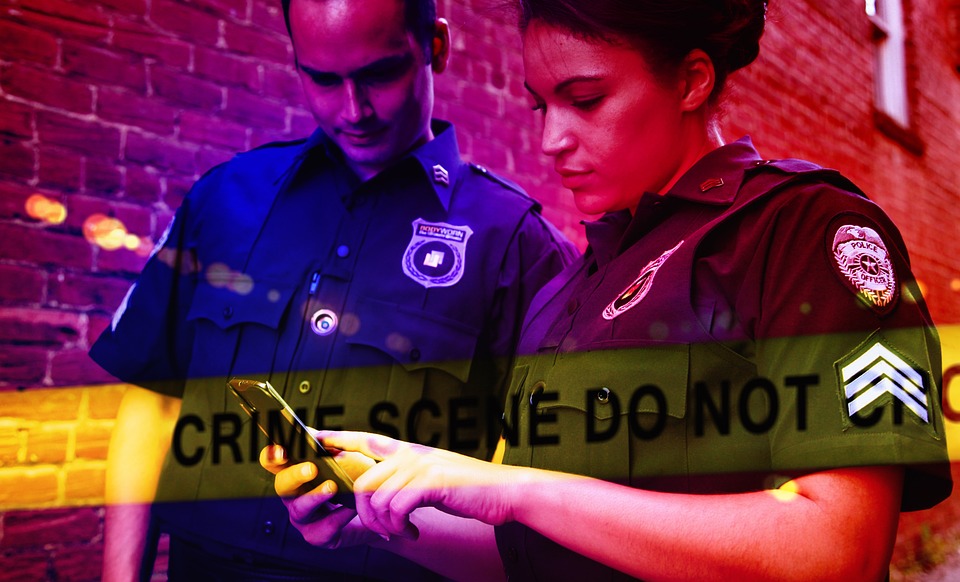
Navigating the Career Path of a Crime Scene Investigator: Essential Roadmaps for Success
Embarking on the journey to become a Crime Scene Investigator (CSI) is akin to stepping into a world where science meets the intricate dance of justice. The path is not merely a straightforward trek; it is a labyrinthine experience that demands a unique blend of skills, dedication, and an unwavering sense of curiosity.
Understanding the Role
At its core, the role of a CSI is to meticulously gather and analyse evidence from crime scenes. This involves an array of tasks, from collecting fingerprints and DNA samples to photographing the scene and documenting every detail with precision. The thrill of the chase, coupled with the responsibility of piecing together the truth, makes this profession both exhilarating and demanding.
What might surprise many is the breadth of knowledge required. A successful CSI must not only understand forensic science but also possess a keen insight into legal procedures and human behaviour. The ability to communicate effectively with police officers, forensic scientists, and even victims’ families is paramount.
Educational Foundations
-
Formal Qualifications: While there isn’t a singular path to becoming a CSI, acquiring a degree in forensic science, criminal justice, or a related field is often essential. Universities across the UK offer specialised courses that delve into the intricacies of forensic investigation, providing students with a solid foundation.
-
Practical Experience: Theoretical knowledge is merely a stepping stone. Aspiring CSIs should seek internships or work placements within law enforcement agencies or forensic laboratories. Such experiences not only enhance practical skills but also help build a network of contacts, which can prove invaluable in a competitive field.
Essential Skills to Cultivate
-
Attention to Detail: The devil is in the details; a single overlooked piece of evidence can alter the course of an investigation. Developing a meticulous eye is critical.
-
Analytical Thinking: CSIs must be adept at analysing complex information and drawing logical conclusions. This skill often differentiates a good investigator from a great one.
-
Communication Skills: Whether it’s writing reports or testifying in court, the ability to convey findings clearly and persuasively is crucial.
The Role of Technology
In the modern realm of crime scene investigation, technology plays a pivotal role. From advanced DNA analysis to digital forensics, staying abreast of the latest advancements is essential. Engaging in continuous professional development through workshops and seminars can keep one’s skills sharp and relevant.
Navigating Challenges
The path is fraught with challenges. The emotional toll of dealing with violent crimes can weigh heavily on even the most seasoned professionals. Developing resilience and coping mechanisms is vital for long-term success. Furthermore, the shift patterns and on-call nature of the job can disrupt personal life, necessitating a strong support system.
The Road Ahead
As you chart your course towards becoming a Crime Scene Investigator, remember that passion and perseverance are your compass. Each crime scene tells a story waiting to be uncovered, and as a CSI, you hold the key to unlocking the truth.
Navigating this intricate career path requires not just technical knowledge but also an innate curiosity and a desire to make a difference. The road may be long, but the rewards of justice and the thrill of discovery are well worth the journey.
For those seeking further guidance, CVPortal continues to provide a wealth of high-quality CV references to aid you in your career endeavours. Whether you are just starting or looking to elevate your professional profile, their resources can illuminate your path.