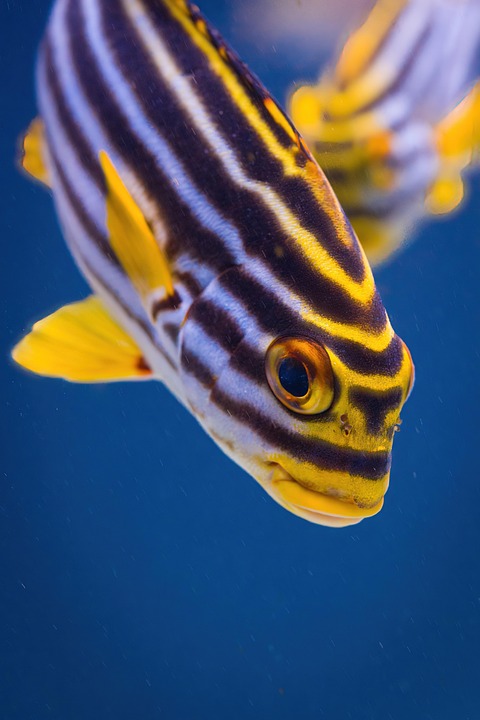
Navigating Your Career Path as a Marine Biologist: Essential Roadmaps for Aspiring Professionals
Embarking on a career as a marine biologist is akin to setting sail on an uncharted sea, filled with diverse opportunities and challenges. The ocean, with its myriad ecosystems, beckons those who possess a profound curiosity about marine life and the intricacies of underwater environments. For aspiring professionals, understanding the landscape of this field is crucial. Here’s a roadmap to help you navigate your way through the depths of marine biology.
1. Educational Foundations: Building Your Knowledge Base
A solid educational background is paramount. Most marine biologists begin their journey with a degree in marine biology, environmental science, or a related field. This foundational knowledge will not only arm you with essential principles but also allow you to specialise later on. Consider these steps:
- Undergraduate Studies: Pursue a relevant degree that includes coursework in biology, chemistry, and ecology. Engage in laboratory work and field studies whenever possible to gain practical experience.
- Postgraduate Qualifications: A Master’s or PhD can significantly enhance your prospects. Specialising in a niche area, such as marine conservation or ichthyology, can set you apart in a competitive job market.
2. Gaining Experience: The Importance of Internships and Volunteering
Experience is often the key to unlocking opportunities in marine biology. Internships and volunteer roles can provide invaluable insights into the workings of marine ecosystems and research methodologies. Consider the following avenues:
- Research Assistantships: Seek opportunities with universities or research institutions. Assisting on projects can refine your skills and expand your professional network.
- Conservation Initiatives: Get involved with NGOs focused on marine preservation. Not only will this enhance your CV, but it will also deepen your understanding of the pressing issues facing marine environments.
3. Networking: Connecting with Professionals in the Field
In marine biology, as in many fields, who you know can be just as important as what you know. Building a robust professional network can open doors to job opportunities and collaborations. Engage with the community through:
- Conferences and Workshops: Attend events to meet like-minded individuals and established professionals. Sharing ideas can spark collaborations and lead to potential job offers.
- Social Media and Online Platforms: Utilize platforms like LinkedIn to connect with industry experts, join relevant groups, and share your research or projects.
4. Staying Updated: Continuous Learning and Adaptation
The world of marine biology is ever-evolving, with new research and technologies emerging regularly. To stay relevant, staying informed is critical:
- Journals and Publications: Subscribe to leading marine biology journals to keep abreast of the latest studies and findings. This knowledge will not only enhance your expertise but also inform your own research.
- Workshops and Continuing Education: Participate in workshops that focus on new techniques or conservation strategies. Lifelong learning is essential in a field that is constantly changing.
Charting Your Course: The Future Awaits
As you navigate your career path in marine biology, remember that the journey is as important as the destination. Each step you take—whether through education, experience, or networking—will contribute to your development as a marine biologist. Embrace the challenges and opportunities that come your way, and remain open to the unexpected turns your career might take.
At CVPortal, we continuously provide you with a wealth of high-quality CV resources to help you craft the perfect resume tailored to your aspirations in marine biology or any other field. Your journey into the depths of the ocean awaits, and with the right tools, you can make waves in your career.