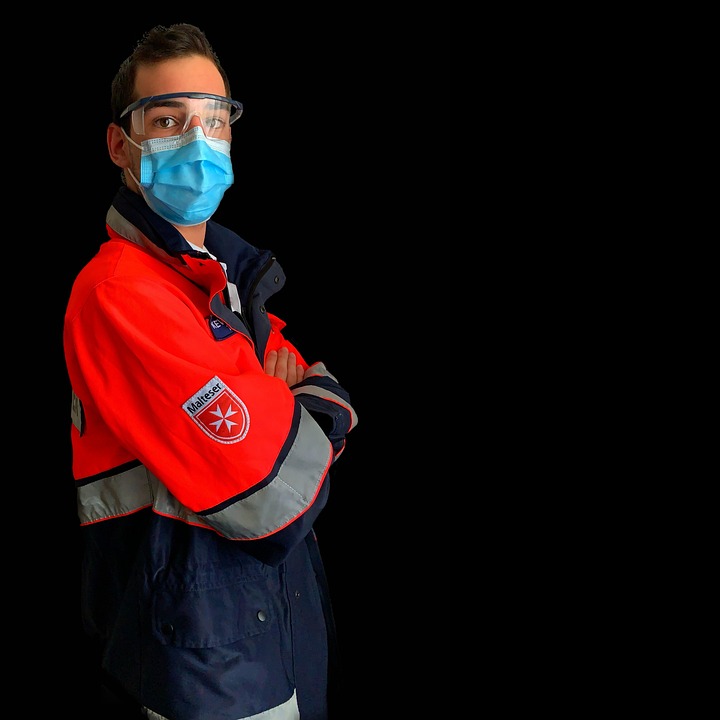
Paramedic Career Roadmaps: Your Ultimate Guide to Progression in the UK
A career as a paramedic is not just a job; it’s a calling. The thrill of responding to emergencies, the adrenaline rush of saving lives, and the profound satisfaction of helping those in distress make this profession uniquely rewarding. Yet, the road to becoming a paramedic and progressing in the field can be complex. Here’s an insightful guide to navigate your journey through the paramedic career landscape in the UK.
1. Understanding the Basics
Before diving headfirst into the profession, it’s crucial to grasp the foundational requirements. Aspiring paramedics typically need to secure a degree in paramedic science or an equivalent qualification. Several universities offer accredited courses, each with its unique flavour, blending theoretical knowledge with practical skills. A solid grasp of anatomy, physiology, and emergency care principles is paramount.
Moreover, gaining experience through volunteer work or internships can be invaluable. Not only does it enhance your CV, but it also provides a taste of the realities of life on the front lines.
2. Gaining Registration and Essential Training
Once you’ve completed your education, the next step involves registering with the Health and Care Professions Council (HCPC). This registration is non-negotiable; it legitimises your practice and ensures that you meet the professional standards required in the field.
In addition to registration, continuous professional development (CPD) is vital. Paramedics are expected to engage in lifelong learning, attending workshops, courses, and seminars to stay abreast of the latest practices and technologies in emergency care.
3. The Initial Role: Junior Paramedic
Starting as a junior paramedic, you’ll find yourself shadowing experienced colleagues, navigating the intricacies of emergency response and patient care. This phase is all about learning the ropes, understanding protocols, and honing your skills in real-world scenarios.
As you build confidence and competence, opportunities to take on more responsibilities will arise. It’s during this time that your communication skills, teamwork, and ability to stay calm under pressure will be tested and refined.
4. Climbing the Ladder: Specialisation and Advancement
Once you’ve established yourself, the pathway to advancement opens up. Specialisation is a popular route, with options ranging from critical care paramedic roles to advanced clinical practitioners. Each specialism requires additional training and qualifications, but they can significantly enhance your career prospects and job satisfaction.
Alternatively, some choose to step into leadership roles. Positions like team leader or operational manager not only come with increased responsibility but also a chance to influence the development of the service and mentor budding paramedics.
5. The Future: Continuing to Evolve
The landscape of paramedicine is ever-changing, influenced by advancements in medical technology, changes in healthcare policy, and evolving community needs. Staying adaptable is key. Engaging in research, participating in pilot programmes, and contributing to policy discussions can position you at the forefront of the profession.
Moreover, networking with peers and joining professional organisations can provide support, resources, and opportunities for collaboration.
Embracing the Journey
In essence, a career as a paramedic is one of continuous evolution, filled with challenges and triumphs. Each step you take, from education to specialisation, contributes to a fulfilling journey that not only enhances your professional life but also profoundly impacts the lives of those you serve.
Remember, navigating your career path doesn’t have to be a solitary endeavour. Resources like CVPortal are consistently bringing you high-quality CV references, ensuring you’re well-prepared for each new opportunity that arises. Embrace the challenges, celebrate the victories, and keep pushing forward on this remarkable journey.