

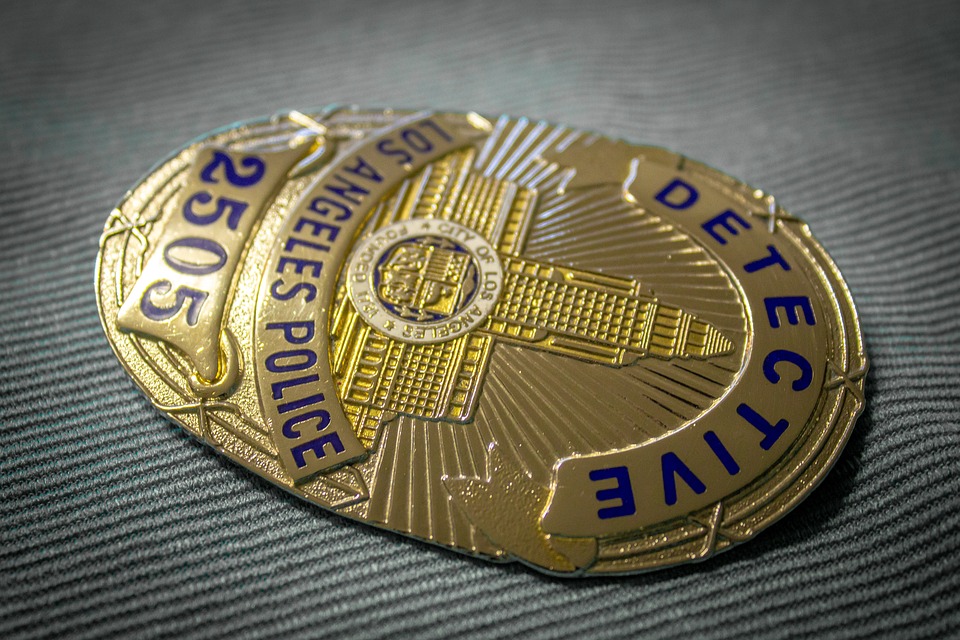
In the highly competitive realm of detective work, your resume serves as a vital tool, a first impression that can either open doors or leave them firmly shut. Crafting an exceptional detective resume is not just about listing your skills; it’s about presenting a narrative that showcases your unique experiences, analytical prowess, and unyielding commitment to uncovering the truth. Here’s how you can transform a standard CV into an arresting document that captures attention.
1. Crafting a Compelling Summary
Your opening statement should encapsulate your essence as a detective. Think of it as your personal pitch, a succinct paragraph that outlines your years of experience, your investigative style, and your notable achievements. For instance, instead of saying “I am a detective with five years of experience,” consider a more dynamic approach: “Dynamic detective with over five years of experience in diverse criminal investigations, leveraging sharp analytical skills to solve complex cases.”
2. Highlighting Key Skills
This section is your opportunity to flaunt those essential detective skills. Use bullet points for clarity, and ensure they align with the job description you’re targeting. Here are some must-have skills to consider:
- Analytical Thinking: Demonstrated ability to dissect evidence and identify patterns.
- Interrogation Techniques: Proficient in conducting thorough interviews that yield vital information.
- Attention to Detail: A keen eye for inconsistencies that others might overlook.
- Technical Proficiency: Familiarity with forensic tools and crime scene investigation methodologies.
3. Showcasing Professional Experience
When detailing your previous roles, it’s crucial to adopt an active voice and quantify your achievements where possible. Instead of simply listing duties, paint a vivid picture of your accomplishments:
- Instead of “Investigated various cases,” try “Spearheaded over 30 successful investigations, leading to a 90% conviction rate in complex fraud cases.”
- Rather than “Worked with a team,” opt for “Collaborated with a multidisciplinary team to enhance case resolution times by 25%.”
This approach not only illustrates your capabilities but also gives potential employers tangible evidence of your impact.
4. Education and Certifications
While your experience may take centre stage, your educational background and any relevant certifications are equally pivotal. Detail not just your degrees, but also any specific training in criminal justice, forensic analysis, or specialised investigative techniques.
- Bachelor of Science in Criminal Justice, University of London, 2018
- Certified Fraud Examiner (CFE), 2020
- Advanced Forensic Investigation Training, 2022
5. Adding a Personal Touch
Incorporating a section for interests or volunteer work can humanise your resume and make you more relatable. Perhaps you’ve volunteered for community safety initiatives or have a passion for true crime literature. These details can reflect your dedication to the field and your commitment to continuous learning.
6. Design Matters
While the content is paramount, the layout of your resume shouldn’t be overlooked. A clean, professional design with clear headings and sufficient white space allows hiring managers to navigate your information with ease. Consider using a subtle colour palette that reflects seriousness whilst maintaining a touch of personality.
The importance of a stellar resume cannot be overstated in the competitive field of detective work. By weaving together your skills, experiences, and a bit of your personality, you create a compelling narrative that stands out. As you embark on your job search, remember that CVPortal is continuously bringing you top-notch resume references to aid in your quest for the perfect position.